Hook
I trust tests for regressions. I do not trust them to tell me whether a farm is inviting.
That is why the screenshot review server mattered. The commit fb47483 added a local review surface so visual docs could render screenshots instead of living as disconnected files. It sounds like infrastructure, but it changed the way I evaluate Steady Stars.
What Changed
The immediate change was small: make it easy to serve review artifacts so screenshots, reports, and notes appear together.
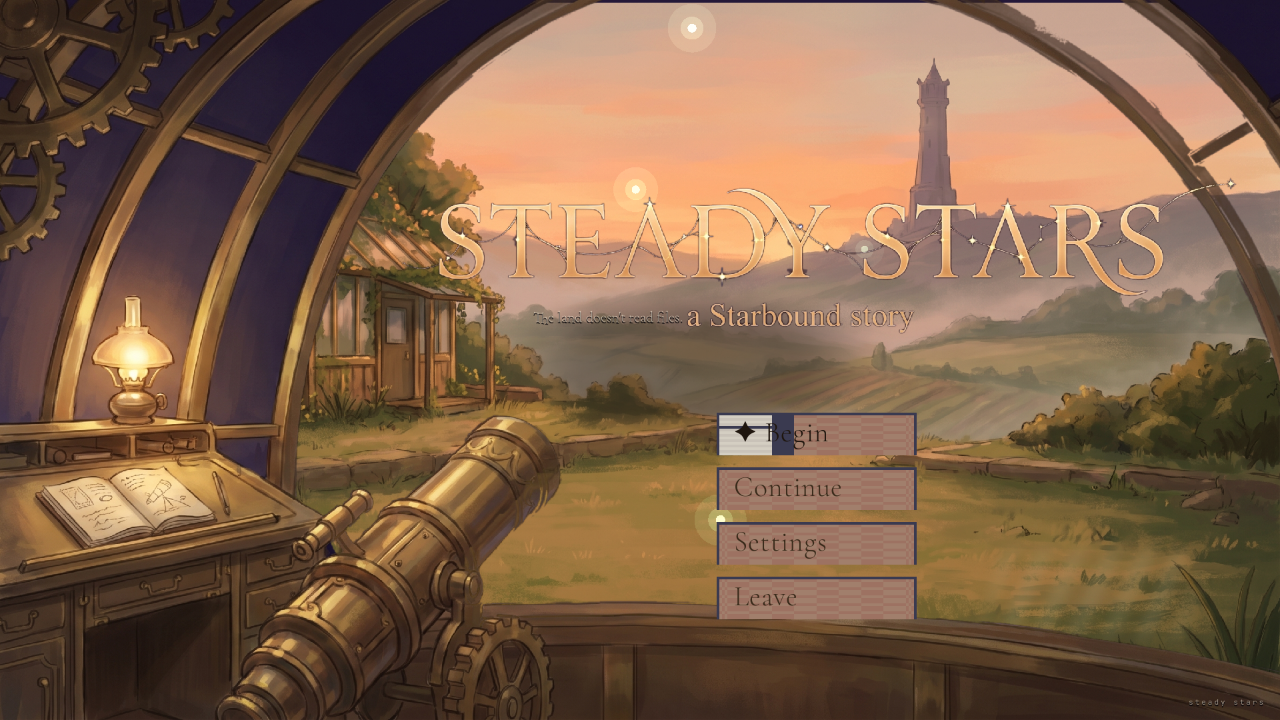
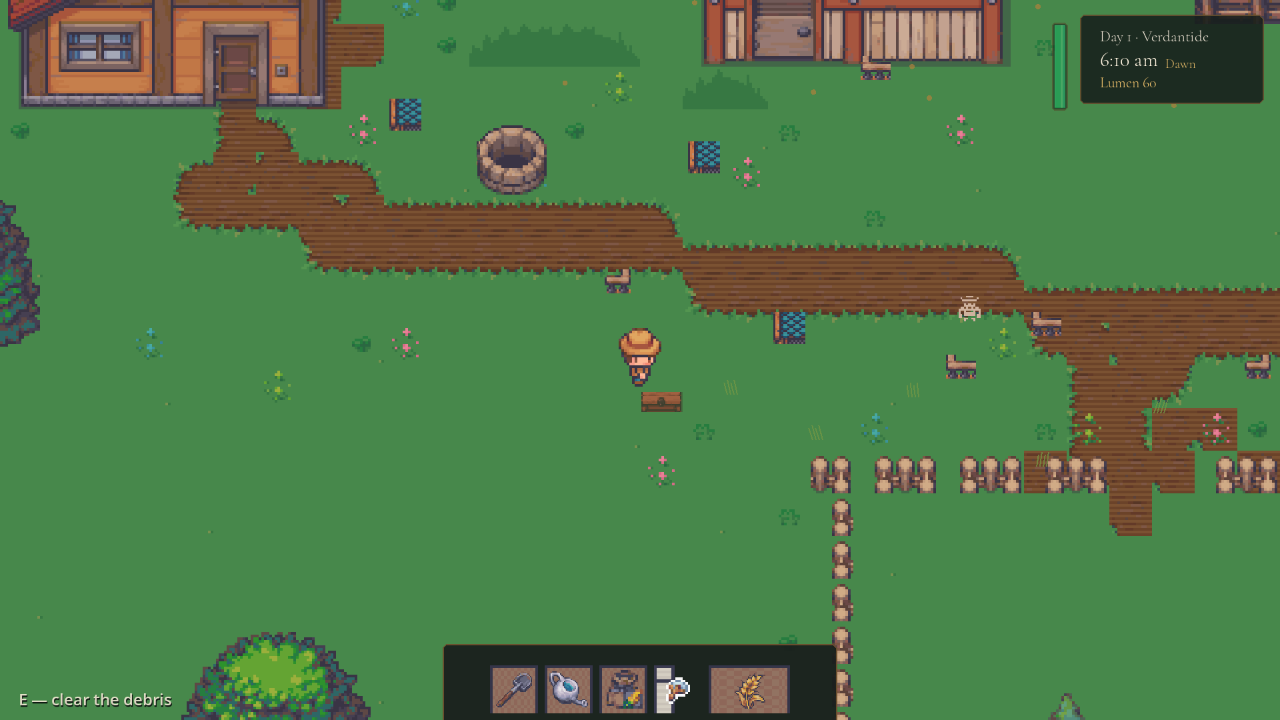
The deeper change was cultural. If I claim the HUD is readable, I need a screenshot. If I claim the title menu works, I need the rendered title. If I claim the player can infer the farm loop, I need the spawn frame and action proof. A review server turns those artifacts into something I can scan quickly instead of a folder I forget to open.
Codex And Godot Workflow
Codex works better when the acceptance target is visible. “Make the HUD better” is weak. “Make this screenshot read at a glance without the energy bar dominating the farm” is actionable.
The review server gives those requests a home. It lets the development loop move from command output to actual player-facing evidence: title, menu, HUD, tool action, field state, idle scene, inventory, sleep, and ledger.
Visible Result
The visible result is not one screenshot. It is a habit: screenshots become part of the build record.
That is especially important for a Godot game where many failures are compositional. A scene can load and still fail because the barn is cropped, the prompt teaches the wrong thing, the field is not a focal point, or the idle world feels dead.
What Broke Or Surprised Me
The surprise was how often visual evidence changes priority. I expected screenshots to confirm that tasks were done. More often, they revealed what the next task really was.
That is how the project moved from pipeline repair into first-farm acceptance. The screenshots made it obvious that the main risk had shifted from “can we build it” to “can a stranger understand it.”
Next Experiment
The next version of this loop should pair every devlog with a small evidence packet: one hero still, one action proof, one idle or motion proof, and one note about what still fails.